

How a historic, joyous Goan Mando event made history in Hayes
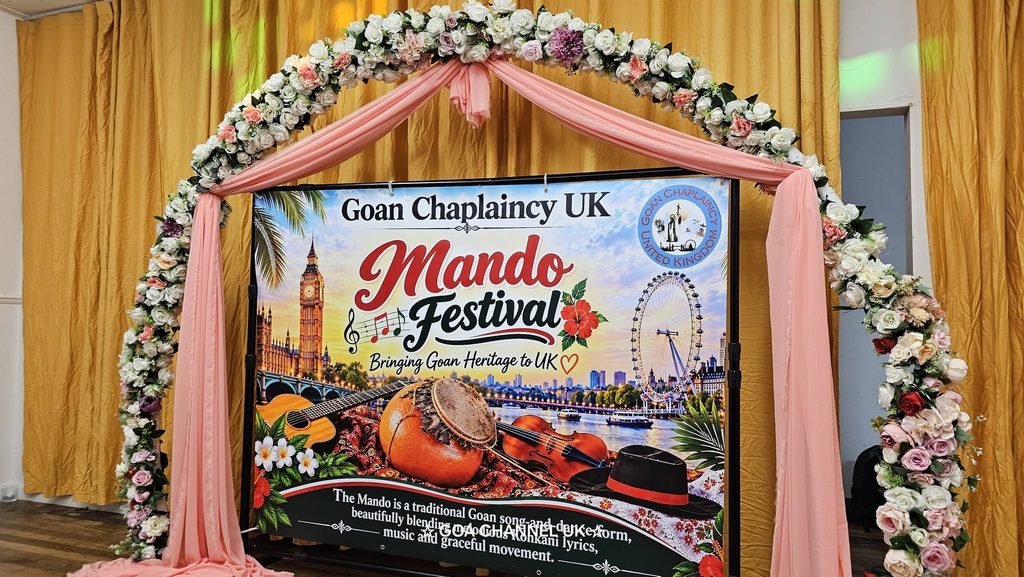
HAYES, UK — History was made on 24th October 2026 as the inaugural Goan Mando Festival UK took place in Hayes, uniting Goan community groups and parish troupes from across the country to celebrate the traditional Goan Mando. The landmark event brought together musicians, dancers, and cultural enthusiasts to preserve and showcase one of Goa’s most cherished artistic traditions.
What is a Goan Mando? Understanding the Goan Mando Festival UK tradition.
For those unfamiliar with the tradition, Mando (also spelled Manddô) is a soulful musical-dance form native to Goa, developed during the 19th and 20th centuries by the Goan Catholic community. It represents a unique synthesis of Indian and Western heritage—combining Konkani lyrics and local sensibilities with European classical harmonies.
- Instruments: The characteristic rhythm is driven by the Ghumot (a traditional clay-pot drum fitted with animal skin), accompanied by the violin and guitar to hold the melodic and harmonic structure.
- Performance & Attire: Dancers form two parallel lines of men and women facing each other, swaying gracefully to the beat. Women traditionally wear a torhop (or bazu-toddop—an elaborate, embroidered silk or velvet attire complete with a fan), while men wear formal Western tailcoats or suits.
- The Structure: A traditional performance typically opens with slow, romantic Mando songs before transitioning into a Dulpod—a fast-paced, playful track that shifts the mood from romantic contemplation to upbeat celebration.
Having integrated Western customs into their way of life, Goan Catholics in the 19th century sought a dance style uniquely their own, giving rise to the Goan Mando around 1850.
Unity, Music, and Community Participation
The Goan Mando Festival UK saw active participation from across the diaspora, with several troupes presenting original Mando compositions alongside traditional classics. Among the featured performing groups were:
- Our Lady of Sorrows & St. Bridget of Sweden Parish (Isleworth)
- Immaculate Heart of Mary Parish (Hayes)
- St. Joseph’s Catholic Church (Wembley)
- St. Michael & St. Martin Church (Hounslow)
- St. Anselm’s Church (Southall)
- Church of Our Lady & St. Christopher (Cranford)
- Hounslow Youth
- Along with several other regional community troupes.
(Below photos from event – Photo credit: Goa Channel UK)
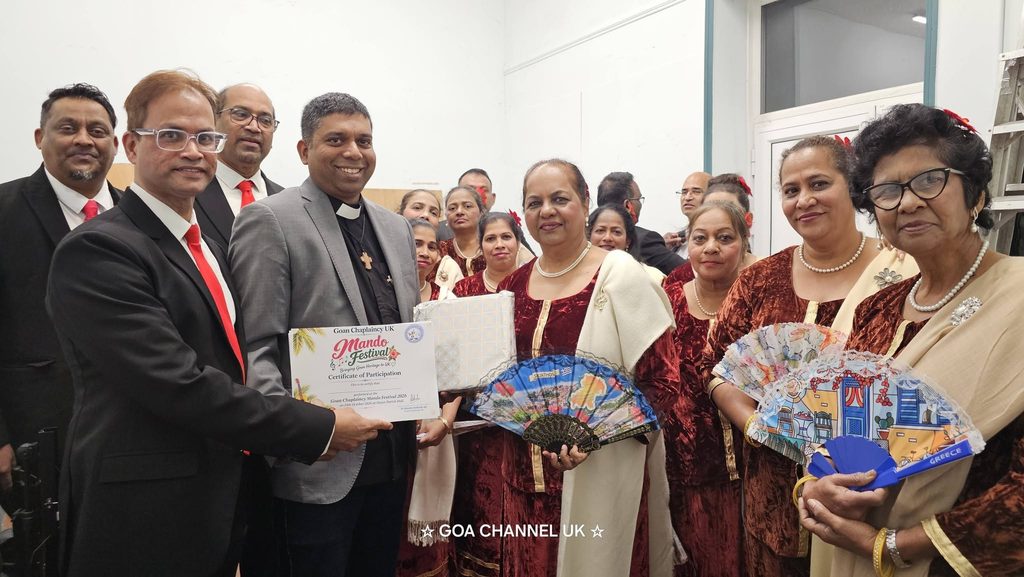
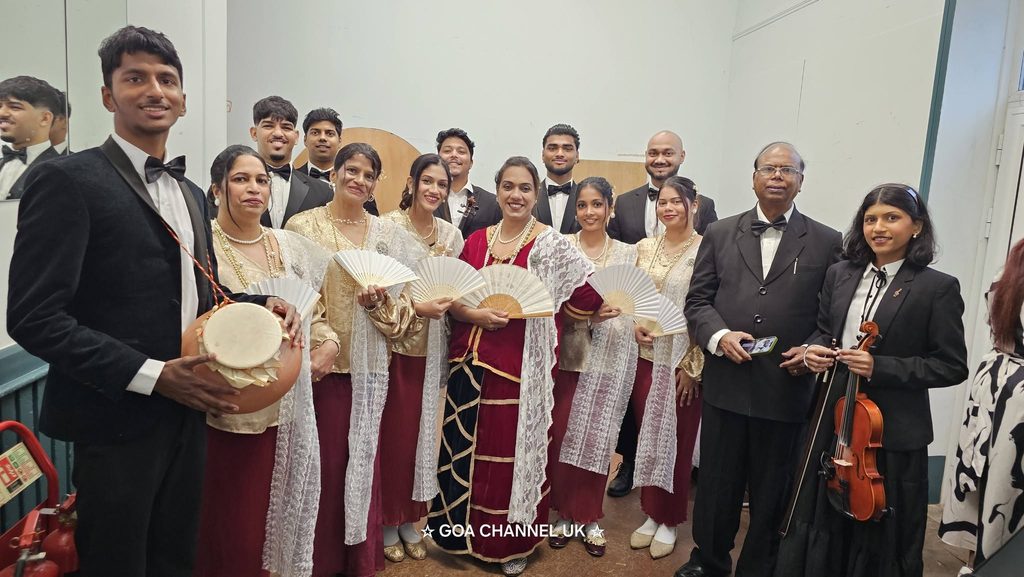
Central to the event’s success was Fr. Renato Andrade, a Goan Chaplain serving various UK parishes. Fr. Andrade played an instrumental role in encouraging participation and unifying the local diaspora. Leading by example, he even picked up the violin to join the musicians on stage.
Sharing a personal insight during the event, Fr. Andrade recalled how his mother encouraged him to attend Mass as a primary school student in the 4th standard, where his passion for sacred music and the violin was first sparked. He urged every attending family to remain connected to their cultural root traditions.
While organizers noted that participants represented these local parishes, it should be noted that these were informal community groups drawn from the diverse ethnic makeup of their respective congregations, rather than officially designated parish delegations from the local Diocese.
Technical Challenges & Audience Response
The event was warmly received by the live audience, who enjoyed the blend of classic songs and fresh Mando-style compositions.
Online viewers faced hurdles, however. Remote attendees reported poor livestreaming video and audio quality throughout the broadcast—a technical drawback the organizing team publicly acknowledged and noted for future iterations.
A Nuanced History: Is It Truly the First?
While promoted as the first-ever Goan Mando event in the UK, historical records show that Mando has been performed on British stages for decades.
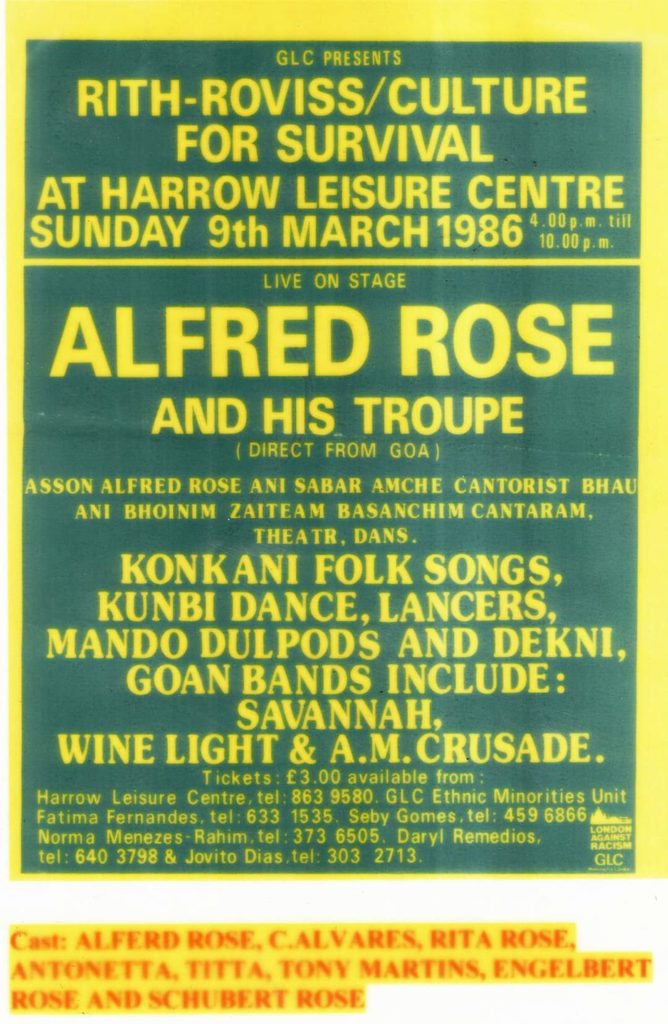
An archival poster from 9th March 1986 reveals that during a major cultural show organised at the Harrow Leisure Centre featuring Tiatrist Alfred Rose and his troupe, “Mando Dulpods” were explicitly showcased alongside Kunbi dances, Deknni, and Konkani folk songs.
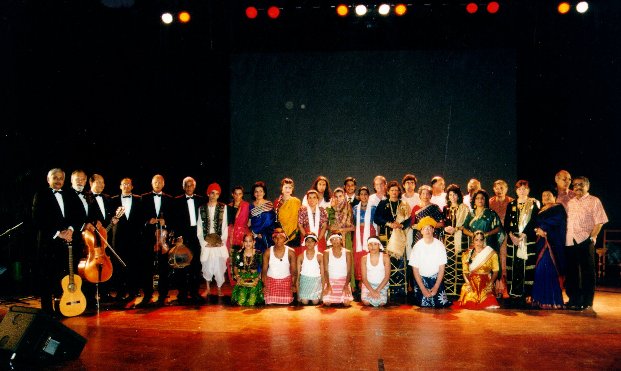
Later, on 13th May 2001, the Goan Musical Society and Goan Association (UK) presented EKVÂT in London, which also highlighted traditional Mando and Dulpod dance routines in full traditional attire.
However, a key distinction remains: while previous historic events featured Mando as part of a broader cultural variety show, the October 2026 event in Hayes stands out as the first dedicated, multi-group Goan Mando Festival in UK, bringing together various community groups exclusively to celebrate and perform this specific art form.
Standing on the Shoulders of Pioneers
While events like the Hayes festival highlight the vibrant present of the diaspora, they build upon a rich legacy laid down by earlier pioneers who kept Konkani language and culture alive in the UK.
Among those dedicated figures was Antonetta “Anna” Regina Fernandes (née D’Souza). Born in Malar, Divar Island in 1932, Antonetta moved to Leicester in 1976 during the wave of East African Goan migration to the UK. Passionate about heritage preservation, she was approached by the Goan Association (UK) to teach Konkani to children from her home.
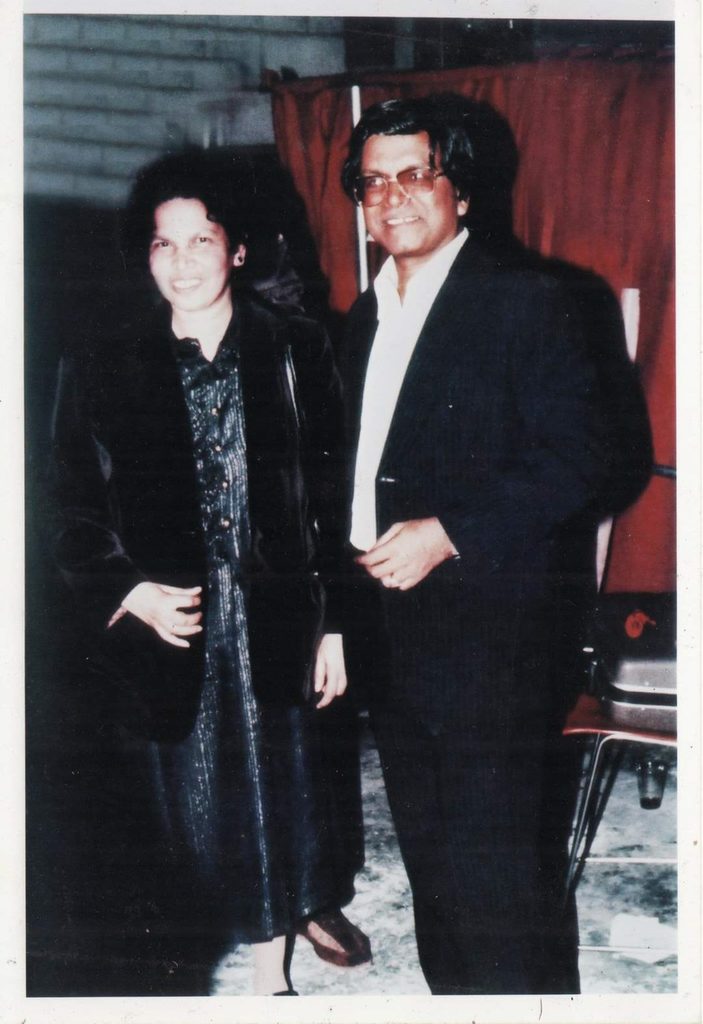
Her efforts reached a historic milestone on 9th March 1986 in Harrow, when she helped bring legendary Tiatrist Alfred Rose and his troupe to London—proving early on that Goan performing arts could thrive on British soil.
Just as earlier generations paved the way, immense credit and kudos go to Fr. Renato Andrade and the modern organizers for picking up the torch and driving Goan culture into a new era. By creating a dedicated festival platform in 2026, they have given today’s youth and parish groups a refreshed space to showcase their talent—ensuring that the foundation laid by the elders continues to evolve, inspire, and flourish for generations to come.
Be sure to explore more of our coverage on Goan cultural events in the diaspora or read our guide on how other traditions have migrated to the UK